STANDARD Engine Crankshaft Position Sensor 091769079536 1310455 PC9
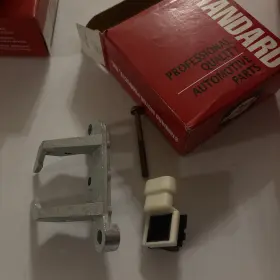
( Brand: Standard ), ( Items Included: Sensor ), ( Connector Gender: Female ), ( Terminal Type: Blade ), ( Vintage Part: No ), ( Placement On Vehicle: Front ), ( Type: Engine Crankshaft Position Sensor ), ( Ipn: 1310455 ), ( Terminal Gender: Male ), ( Connector Type: Plug In ), ( Attachment Method: Bolt On ), ( Universal Fitment: Yes ), ( Country/region Of Manufacture: United States ), ( Finish: Unfinished ), ( UPC: 091769079536 )
Review STANDARD New Pc9 Engine Crankshaft Position Sensor
The 091769079536 PC9 Engine Crankshaft Position Sensor is a crucial component of modern automotive engines, designed to accurately detect the position of the crankshaft and provide vital information to the engine control module. This sensor ensures that the engine's ignition system fires at the correct time, thereby improving fuel efficiency and reducing emissions.
This sensor is a compact, yet robust device, typically housed in a protective casing to withstand the harsh conditions of the engine compartment. It utilizes a magnetic or optical sensor technology to detect the position of the crankshaft's reluctor wheel. The sensor converts the mechanical position information into an electrical signal, which is then transmitted to the engine control module via a connector.
The PC9 engine crankshaft position sensor is designed to meet or exceed OEM specifications for reliability and durability. It features a high-temperature resistance to function effectively even in extreme engine environments. The sensor is also designed to be resilient to vibrations and other engine disturbances to ensure consistent and accurate position information.
Installation of the PC9 engine crankshaft position sensor typically involves connecting it to the engine control module using the provided wiring harness. The sensor is secured to the engine using mounting hardware, and the connector is plugged into the appropriate socket on the engine control module. Proper installation is essential to ensure the sensor functions correctly and efficiently.
When it comes to maintaining the PC9 engine crankshaft position sensor, there are a few things to keep in mind. Regular engine maintenance, such as oil changes and tune-ups, can help prolong the sensor's lifespan. Inspecting the sensor for any signs of damage, such as cracks or leaks, is also important. If the sensor fails, it may need to be replaced to maintain optimal engine performance.
In summary, the 091769079536 PC9 Engine Crankshaft Position Sensor is a vital component of modern engine systems, responsible for accurately detecting the position of the crankshaft and providing essential information to the engine control module. It is designed for durability and reliability, with high temperature resistance and resistance to vibrations. Proper installation and regular maintenance are essential to ensure the sensor functions effectively and efficiently.
Buying a standard PC9 engine crankshaft position sensor (part number 091769079536) can have several advantages and disadvantages for vehicle owners. below are some potential pros and cons:
Pros:1. Improved Engine Performance: A faulty crankshaft position sensor can cause several issues, including poor fuel economy, rough idling, and difficulty starting the engine. Replacing the sensor can help restore optimal engine performance.
2. Cost-Effective: Compared to other engine components, the crankshaft position sensor is relatively inexpensive. Replacing it yourself can save you labor costs, making it a cost-effective solution.
3. Diagnostic Capability: By replacing the crankshaft position sensor, you can diagnose and resolve any issues related to the sensor. This can help prevent more significant and expensive repairs down the line.
Cons:1. DIY Installation Complexity: While the sensor itself is relatively inexpensive, the installation process can be complex. This may require specialized tools and knowledge, making it a more challenging and time-consuming process for some vehicle owners.
2. Risk of Damaging Other Components: The crankshaft position sensor is located near other sensitive engine components. During the installation process, there is a risk of damaging these components, which could lead to additional repair costs.
3. Potential for Incorrect Installation: Installing the sensor incorrectly can lead to persistent issues or even cause new problems. This could result in additional diagnostic time and expense.
Conclusion:Replacing a faulty PC9 engine crankshaft position sensor (part number 091769079536) can help restore optimal engine performance and prevent more significant and expensive repairs down the line. However, the installation process can be complex, and there is a risk of damaging other components or installing it incorrectly. If you have the necessary skills and tools, replacing the sensor yourself can save you labor costs. Otherwise, it may be worth considering having a professional mechanic do the installation to minimize the risk of errors and potential damage to other components. Ultimately, the decision to replace the sensor depends on your comfort level with DIY repairs and the cost-benefit analysis of doing it yourself versus having a professional do it.
Details:
As shown new item in box surplus see other listings.
specifications sparkystooge:
- brand: Standard
- items included: Sensor
- connector gender: Female
- terminal type: Blade
- vintage part: No
- placement on vehicle: Front
- type: Engine Crankshaft Position Sensor
- interchange part number: 1310455
- terminal gender: Male
- connector type: Plug In
- attachment method: Bolt On
- universal fitment: Yes
- country/region of manufacture: United States
- finish: Unfinished
- upc: 091769079536
returns sparkystooge:
- paid by: Buyer
- time: 30 Days
- policy: Returns Accepted
general sparkystooge:
- condition: New
- Car Truck Parts Accessories > Ignition Systems Components > Ignition Kits
payments sparkystooge:
- other
- wallet: Apple-pay
- credit card: Discover
shipping sparkystooge:
- class: Standard
- transit: 5-12 Days
- cost: $6.35
- carrier: USPS
- service: USPS Ground Advantage
- type: Calculated
seller sparkystooge:
- # reviews: 1699
- rating: 97.1%
- city: Hesperia, California
offer sparkystooge:
- availability: In Stock
- started: June 28, 2025
- quantity: 1
- options: Ship-to-home
- best offers: True
- sold: 0
Standard 091769079536 Is Similar To:
- Standard Motor Products 707390960418 Camshaft Position Sensor Fits 2007-2018 Nissan Infiniti Pc775 (46% similar) We ll be adding new listings to this line every day at limited quantities so sure to bookmark and keep watch for more great deals. Free live technical support. Largest inventory of factory car audio in the USA!, Standard motor camshaft position sensor fits 2007 -2018 Nissan Infiniti PC775...(June 3rd, 2024)
- Standard Motor Products 68463ptsp For Ford Thunderbird Electronic Engine Control Relay Connector Smp (34.4% similar) Parts geek - for ford Thunderbird electronic engine control relay connector sump 68463PTSP 68463PTSP: review fitment notes to ensure proper fit condition: new brand: Standard motor products notes: wire quantity: 5 number of splice connectors includ: included: no water resistant: weatherproof...(June 3rd, 2024)
- Standard Motor Products Pc109 Camshaft Sensor Fits 1993-04 Toyota Chrysler Dodge Eagle Plymouth (36.7% similar) We ll be adding new listings to this line every day at limited quantities so sure to bookmark and keep watch for more great deals. 90 day warranty included. Largest inventory of factory car audio in the USA!, Standard camshaft sensor fits 1993 -04 Toyota Chrysler dodge eagle Plymouth PC109...(June 5th, 2024)
- Standard Motor Products Pc1182 Crankshaft Sensor (55.9% similar) Connector gender: female. Terminal gender: male...(June 6th, 2024)
- Standard Motor Products Ckp2110 Crankshaft Position Sensor Pc567 For Chevrolet Saturn 2002-2003 (50.6% similar) Part #: Standard motor products CKP2110 for sale...(June 8th, 2024)
- Standard Ignition 12537111 Engine Crankshaft Position Sensor P N Pc9 (70.2% similar) For kits, photo might show entire kit and listing is only for one component. Standard ignition engine crankshaft position sensor P/N:PC9. Note: photos do not always represent the actual product...(June 9th, 2024)
- Standard oreilly Auto Parts S934 Ignition Knock Sensor Connector (40.9% similar) Features a factory-like fit for hassle-free installation. Manufactured following strict OE Standards to work like the original component. Engineered using the latest technology to ensure product lasts longer in service. Designed specifically...(June 9th, 2024)
- Standard Ignition Pc727 Engine Camshaft Position Sensor P N (70.5% similar) Standard ignition engine camshaft position sensor P/N:PC727. For kits, photo might show entire kit and listing is only for one component. Note: photos do not always represent the actual product...(June 10th, 2024)
- Standard Motor Products Pc891 Crankshaft Sensor For 09-13 Bmw 335d X5 (48.5% similar) High-quality materials withstand extreme conditions. All accessories hardware. Standard motor products PC891 crankshaft sensor for 09-13 BMW 335D X5: engine position. Terminal type: blade...(June 11th, 2024)
- Standard Motor Products Pc202t Crankshaft Sensor For Select 95-01 Hyundai Models (43.4% similar) Features: made from quality components for dependability. Placing an order outside the us is easy. Engine crankshaft position sensor. Standard motor products PC202T crankshaft sensor for select 95-01 Hyundai model's. Hyundai: 18022050...(December 11th, 2024)
- Standard Ignition Pc686t Crankshaft Sensor (57.1% similar) Crankshaft sensor,:: sensor. For kits, photo might show entire kit and listing is only for one component. Note: photos do not always represent the actual product...(December 11th, 2024)

5 offers $29.99–$67.99 USD
- New. Offer #1 priced at $29.99 + $0.00 delivery = $29.99* total. Engine Crankshaft Position Sensor Standard PC9.FREE SHIPPING
- New. Offer #2 priced at $38.00 + $0.00 delivery = $38.00* total. NEW STANDARD PC9 Engine Crankshaft Position Sensor.FREE SHIPPING
- New. Offer #3 priced at $67.99 + $0.00 delivery = $67.99* total. Engine Crankshaft Position Sensor.FREE SHIPPING
- New. Offer #4 priced at $50.07 + $0.00 delivery = $50.07* total. FREE SHIPPING
- New. Offer #5 priced at $14.99 + $8.75 delivery = $23.74* total. As shown new item in box surplus see other listings.+$8.75 shipping