APDTY 119577 Camshaft Cam Position Sensor 3.0L
fits model: Escape, Mariner. year: 2005–2006.
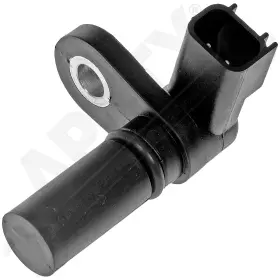
( Brand: Apdty ), ( Part Type: Camshaft Cam Sensor ), ( Manufacturer Part Number: 119577 ), ( Manufacturer Warranty: One Year Limited ), ( Genuine Oem: 1f1z6b288aa, 1f1z-6b288-ab, F5rz6b288b )
Review APDTY Camshaft Cam Position Sensor 01-06 3.0l fits ESCAPE MARINER 2005–2006
The APDTY 119577 Camshaft Cam Position Sensor is a vital component of the engine management system in select Ford Mariner models from the years 2001 to 2006 with the 3.0L engine. Specifically, this sensor is compatible with the Escape vehicles from the same production period.
This high-precision component is designed to monitor the position of the camshaft relative to the crankshaft. By accurately detecting the timing of the camshaft's movements, it provides essential information to the engine control unit (ECU), which adjusts the fuel injection and ignition timings to optimize engine performance.
The APDTY 119577 Camshaft Cam Position Sensor is manufactured with advanced technology to ensure consistent and reliable performance. It features a durable design made from high-quality materials to withstand the harsh operating conditions of an internal combustion engine. This sensor comes fully fitted with a precision-engineered connector that ensures a secure and robust connection to the engine harness.
Installing the APDTY 119577 Camshaft Cam Position Sensor in your Mariner is straightforward. It is designed to be a direct replacement for the OEM sensor, ensuring a hassle-free installation experience. When you replace your worn-out or failed sensor with this new one, you can trust that your engine will return to optimal performance.
Keep your Mariner in top shape and maintain excellent engine performance by replacing your aging or faulty camshaft cam position sensor with this APDTY 119577Camshaft Cam Position Sensor. Order yours today to ensure a smooth driving experience on your next adventure.
Camshaft cam position sensors, such as part number 119577, are crucial components in the engine management system of vehicles like the 3.0L Escape and Mariner models from the years 2001 to 2006. Replacing a faulty or failing cam position sensor can help improve engine performance and prevent potential engine damage. Let's explore some pros and cons of buying and installing a new cam position sensor.
**Pros:**1. Improved engine performance: A failing cam position sensor can cause issues such as misfires, rough idling, and stalling. Replacing the sensor can help restore proper engine performance.
2. Avert severe engine damage: A malfunctioning cam position sensor can lead to further engine issues, potentially resulting in expensive repairs. Replacing the sensor early on can help prevent these costly repairs.
3. Enhanced fuel efficiency: A worn-out cam position sensor can lead to inefficient fuel consumption. Installing a new one can help optimize fuel efficiency and save money on gas.
4. Peace of mind: Having a properly functioning cam position sensor ensures that the engine is operating at its best and that any potential issues are addressed.
5. Availability: These sensors are readily available in the aftermarket, making them easy to purchase and install.
**Cons:**1. Cost: While the sensor itself is not overly expensive, labor costs for installation can add up, making the overall cost significant for some.
2. Installation time: Depending on the individual's mechanical abilities, installing the sensor can take anywhere from 2 hours to even a full day.
3. DIY installation complexity: Installing a cam position sensor can be a complex process, and those without experience might find it challenging.
4. Necessitating additional repairs: If the cam position sensor wore out due to other engine issues, replacing just the sensor might only be a short-term solution. In this case, addressing the root cause could result in additional expenses.
5. Potential for errors during installation: Incorrect installation of the sensor could lead to further engine problems, increasing the overall cost.
In conclusion, replacing a camshaft cam position sensor, like part number 119577, can bring about several improvements to the vehicle's performance, fuel efficiency, and overall engine health. However, the cost, complexity of installation, and potential for additional repairs are considerations that should be weighed before making the decision to purchase and install a new one. Ultimately, the benefits, particularly increased engine performance and peace of mind, often outweigh the costs and challenges. If you feel confident in your mechanical abilities and want to save on labor costs, a DIY installation could be a cost-effective option. Alternatively, having the sensor replaced by a professional can provide the added benefit of a warranty on the part and installation.
Details:
part #: 119577 price
- $33.34
specifications sparkystooge:
- for models: Escape, Mariner
- for years: 2005-2006
- brand: Apdty
- part type: Camshaft Cam Sensor
- manufacturer part number: 119577
- manufacturer warranty: One Year Limited
- genuine oem: 1f1z6b288aa, 1f1z-6b288-ab, F5rz6b288b
offer sparkystooge:
- options: Ship-to-home
- availability: In Stock
- started: January 26, 2025
- sold: 0
- quantity: 3
shipping sparkystooge:
- type: Fixed
- cost: $0.00
- class: Economy, Standard, Expedited, One-day
- transit: 4-7 Days
- service: Economy, Standard, Expedited, Overnight
payments sparkystooge:
- credit card: Discover
- wallet: Paypal
- other
returns sparkystooge:
- policy: Returns Accepted
- paid by: Buyer
- time: 60 Days
general sparkystooge:
- Car Truck Parts Accessories > Ignition Systems Components > Ignition Kits
- condition: New
seller sparkystooge:
- rating: 98.9%
- city: Satellite Beach, Florida
- # reviews: 127189
Apdty 119577 Is Similar To:
- Apdty 105342 Crankshaft Position Sensor Replaces 56027866ac (55.5% similar) Part #: Apdty 105342 for sale...(December 12th, 2024)
- Apdty 105711 Camshaft Position Sensor Replaces 56041584af (59.3% similar) Part #: Apdty 105711 for sale...(December 24th, 2024)
- Apdty 106608 Camshaft Position Sensor Replaces 4897023aa (55.2% similar) Part #: Apdty 106608 for sale...(January 6th, 2025)
- Apdty 107202 Crankshaft Position Sensor Replaces 56027866ae (55.5% similar) Part #: Apdty 107202 for sale...(January 21st, 2025)
- Apdty 153973 Crankshaft Sensor Replaces 0031537428 (46.9% similar) Part #: Apdty 153973 for sale...(February 16th, 2025)
- Apdty 018839 Magnetic Camshaft Position Sensor (53.2% similar) Brand new camshaft position sensor compatible with 3.6L v6 model's only left or right bank rear of cylinder head 2011 -2017 Chrysler 200 v6 220 3.6L 3604CC 2011 -2019 300 2011 -2016 town country...(February 16th, 2025)
- Apdty 105931 Camshaft Position Sensor Replaces 5140332aa (58.2% similar) Part #: Apdty 105931 for sale...(February 26th, 2025)
- Apdty 138444 Camshaft Position Sensor Pigtail Fits Select 2010-2015 Mini Cooper (62.4% similar) Brand new camshaft sensor pigtail harness, length : 15.35 in / gauge: 18 wag, fits 2010 -2015 mini cooper, 2011 -2015 cooper countryman, 2013 -2015 Paceman, replaces...(April 18th, 2025)
- Apdty 107509 Crankshaft Position Sensor Replaces 56027865ab (55.5% similar) Part #: Apdty 107509 for sale...(April 22nd, 2025)
- Apdty 153971 Crankshaft Sensor Replaces 12569372 12588097 (47.4% similar) Part #: Apdty 153971 for sale...(April 27th, 2025)
- Apdty 155450 Magnetic Camshaft Position Sensor (53.2% similar) Part #: Apdty 155450 for sale...(April 28th, 2025)

1 offer $33.34 USD
- New. Offer #1 priced at $33.34 + $0.00 delivery = $33.34* total. Brand New Camshaft Cam Position Sensor Fits 2001-2006 Ford Escape 3.0L Fits 2005-2006 Mercury Mariner 3.0L Replaces 1F1Z6B288AA, 1F1Z-6B288-AB, F5RZ6B288B, XS2Z6B288AA (Camshaft Cam Position Sensor Compatible With 2001-2006 Ford Escape 3.0L or 2005-2006 Mercury Mariner 3.0L (Replaces 1F1Z6B288AA, 1F1Z-6B288-AB, F5RZ6B288B, XS2Z6B288AA)).FREE SHIPPING