STANDARD MOTOR PRODUCTS PC961 Engine Crankshaft Position Sensor
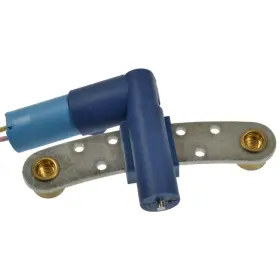
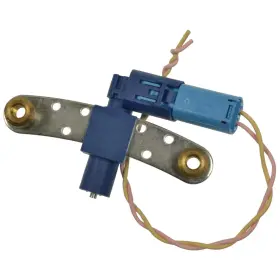
( Brand: Standard Motor Products ), ( Type: Engine Crankshaft Position Sensor ), ( Manufacturer Part Number: PC961 )
Review STANDARD MOTOR PRODUCTS Engine Crankshaft Position Sensor
The Standard Motors PC961 engine crankshaft position sensor is an essential component of modern automobile engines, responsible for accurately monitoring the crankshaft's rotation and providing critical information to the engine control module (ECM) for ignition timing and fuel injection sequencing. This sensor converts the mechanical rotational movement of the crankshaft into an electrical signal for the ECM.
The PC961 crankshaft position sensor is usually a magnetic, variable-reluctor type design. A toothed wheel is mounted on the engine crankshaft, and as the crankshaft rotates, the teeth pass through a magnetic field created by the sensor. This interaction generates pulses that represent each tooth's passage. These pulses are then sent to the ECM for further analysis.
The sensor is compact in size, often cylindrical in shape, with an average length of around 5 inches (12.7 centimeters) and a diameter of about 1 inch (2.5 centimeters). Its top end features two electrical connectors, typically a multi-pin connector for power, ground, and signal lines.
The PC961 sensor is designed to operate reliably under extreme engine conditions, making it suitable for use in most automotive applications. It features robust construction and materials, including a protective rubber or plastic housing, to ensure it withstands the harsh engine environment. Additionally, it is resistant to temperatures ranging from 40 F to 248 F (-40 C to 120 C).
Installation of the PC961 sensor involves connecting it to the ECM using the provided wiring harness, attaching the sensor to the crankshaft using specified mounting hardware, and verifying the engine's electrical system integrity. Always ensure proper wiring polarity for a successful installation, and make sure the sensor is positioned accurately to provide accurate readings.
It's important to note that faulty engine crankshaft position sensors can cause serious problems, including poor fuel economy, rough idling, stalling, misfires, and difficulty starting the engine. Regular maintenance and replacement as needed help ensure the longevity and proper functioning of this essential engine component.
Crankshaft Position Sensor (CPS) is an essential component of a modern automobile's engine management system. The CPS sends vital information about the position of the crankshaft to the engine control unit (ECU). This data helps the ECU to manage the timing of the fuel injection, spark plugs, and other engine functions. Here are some pros and cons of buying a standard Motor PC961 engine crankshaft position sensor:
Pros:1. Improved Engine Performance: A faulty crankshaft position sensor can lead to poor engine performance, rough idling, and misfiring. Replacing the faulty sensor will help restore proper engine performance.
2. Fuel Efficiency: A correctly functioning crankshaft position sensor ensures that fuel is injected at the correct time during the engine cycle. This helps improve fuel efficiency and reduces exhaust emissions.
3. Check Engine Light: A faulty crankshaft position sensor can trigger the check engine light on your vehicle's dashboard. Replacing the sensor will help prevent the check engine light from coming on, avoiding unnecessary trips to the mechanic.
4. Cost-effective: Replacing a crankshaft position sensor is a cost-effective solution compared to other engine repairs. The sensor itself is relatively inexpensive, and the installation process is typically straightforward.
5. Prevent costly repairs: A faulty crankshaft position sensor can lead to more significant engine damage if left unattended. Replacing the sensor early can save you from more expensive repairs down the line.
Cons:1. Installation Time: Installing a crankshaft position sensor can take some time, depending on the skill level of the person performing the installation. If you are not confident in your ability to install the sensor yourself, it may be best to take your vehicle to a professional mechanic.
2. Potential for Error: There is always a risk of error when installing a new part on a vehicle. Ensure that you follow the manufacturer's instructions carefully to avoid any issues.
3. Part Availability: Crankshaft position sensors for some older vehicles may be hard to find or discontinued. make sure to order the correct part number for your particular vehicle.
Conclusion:Replacing a faulty crankshaft position sensor can help improve engine performance, fuel efficiency, and prevent check engine lights from coming on. This cost-effective repair can save you money in the long run by preventing more expensive engine repairs. However, installation may take some time and effort, and there is a risk of error if the instructions are not followed carefully. If you are unsure about the installation process or the availability of the part, it may be best to take your vehicle to a professional mechanic.
Recommendation:If you have experience with automotive repairs or are confident in your ability to install the crankshaft position sensor yourself, purchasing and installing a standard Motor PC961 engine crankshaft position sensor can be a cost-effective and straightforward solution to improve your vehicle's engine performance and prevent check engine lights from coming on. However, if you are unsure about the installation process or the availability of the part, it may be best to take your vehicle to a professional mechanic to ensure the job is done correctly.
Details:
KEM: 147-670. Placing an order outside the US is easy. Nissan: 2375000Q0E.
SPECIFICATIONS: Connector Gender:Female, Quantity:1, Shape:Round, Mounting Bracket Included:Yes, Terminal Gender:Male, Wire Lead Included:No. Original packaging. All accessories hardware. Standard Motor Products PC961 Engine Crankshaft Position Sensor: Sensor.
part #: pc961 prices
- $93.31-$117.61
specifications sparkystooge:
- brand: Standard Motor Products
- type: Engine Crankshaft Position Sensor
- manufacturer part number: PC961
returns sparkystooge:
- policy: Returns Accepted
- paid by: Buyer
- time: 60 Days
shipping sparkystooge:
- cost: $0.00
- transit: 5-8 Days
- class: Standard
- type: Fixed
- service: Standard
payments sparkystooge:
- credit card: Visa
- wallet: Google-pay
- other
seller sparkystooge:
- # reviews: 104365
- rating: 98.5%
- city: Miami, Florida
offer sparkystooge:
- started: January 1, 2025
- availability: In Stock
- quantity: 1
- sold: 0
- options: Ship-to-home
general sparkystooge:
- condition: New
- Car Truck Parts Accessories > Ignition Systems Components > Ignition Kits
Standard Motor Products PC961 Is Similar To:
- Standard Motor Products 707390960418 Camshaft Position Sensor Fits 2007-2018 Nissan Infiniti Pc775 (63.4% similar) We ll be adding new listings to this line every day at limited quantities so sure to bookmark and keep watch for more great deals. Free live technical support. Largest inventory of factory car audio in the USA!, Standard Motor camshaft position sensor fits 2007 -2018 Nissan Infiniti PC775...(June 3rd, 2024)
- Standard Motor Products 68463ptsp For Ford Thunderbird Electronic Engine Control Relay Connector Smp (50.3% similar) Parts geek - for ford Thunderbird electronic engine control relay connector sump 68463PTSP 68463PTSP: review fitment notes to ensure proper fit condition: new brand: Standard Motor Products notes: wire quantity: 5 number of splice connectors include: included: no water resistant: weatherproof...(June 3rd, 2024)
- Standard Motor Products Pc109 Camshaft Sensor Fits 1993-04 Toyota Chrysler Dodge Eagle Plymouth (53.2% similar) We ll be adding new listings to this line every day at limited quantities so sure to bookmark and keep watch for more great deals. 90 day warranty included. Largest inventory of factory car audio in the USA!, Standard camshaft sensor fits 1993 -04 Toyota Chrysler dodge eagle Plymouth PC109...(June 5th, 2024)
- Standard Motor Products Pc1182 Crankshaft Sensor (81.1% similar) Connector gender: female. Terminal gender: male...(June 6th, 2024)
- Standard Motor Products Uc15t Ignition Coil For 12v Vehicles Without (55% similar) The package height of product is 4.887 inches. Country of origin: USA. The package length of product is 5.363 inches. Item dimensions l x w h: 6/4 .6 3.8 inches. Installation type: bolt-on. Standard Motor Products UC15T ignition coil for 12V vehicles without electronic system...(June 8th, 2024)
- Standard Motor Products Ckp2110 Crankshaft Position Sensor Pc567 For Chevrolet Saturn 2002-2003 (65.8% similar) Part #: Standard Motor Products CKP2110 for sale...(June 8th, 2024)
- Standard Motor Products Ry-1562 Relays (57.4% similar) These replacement units are available in dozens of configurations for easy installation on countless applications. Supplier part number: SUMP-RY-1562. Trust your vehicles needs to Standard Motor performance. Quantity: sold individually. Manufacturers part number: RY-1562...(June 9th, 2024)
- Standard Motor Eng.management Pc134t Ign Cam Sens Free Shipping (50% similar) Part #: Standard Motor eng.management PC134T for sale...(June 9th, 2024)
- Standard Ignition 12537111 Engine Crankshaft Position Sensor P N Pc9 (71.8% similar) For kits, photo might show entire kit and listing is only for one component. Standard ignition engine crankshaft position sensor P/N:PC9. Note: photos do not always represent the actual product...(June 9th, 2024)
- Standard oreilly Auto Parts S934 Ignition Knock Sensor Connector (50.4% similar) Features a factory-like fit for hassle-free installation. Manufactured following strict OE Standards to work like the original component. Engineered using the latest technology to ensure product lasts longer in service. Designed specifically...(June 9th, 2024)
- Standard Ignition Pc727 Engine Camshaft Position Sensor P N (73.8% similar) Standard ignition engine camshaft position sensor P/N:PC727. For kits, photo might show entire kit and listing is only for one component. Note: photos do not always represent the actual product...(June 10th, 2024)

5 offers $93.31–$117.61 USD
- New. Offer #1 priced at $93.31 + $0.00 delivery = $93.31* total. Tomco Products:22276. Engine Crankshaft Position Sensor.FREE SHIPPING
- New. Offer #2 priced at $117.61 + $0.00 delivery = $117.61* total. Manufacturer :Standard Ignition Part Number : .FREE SHIPPING
- New. Offer #3 priced at $96.95 + $0.00 delivery = $96.95* total. FREE SHIPPING
- New. Offer #4 priced at $94.44 + $0.00 delivery = $94.44* total. 2002-2010 Renault Clio Automatic 1.6L L4 w/ Harness Manufacturer Part Number: .FREE SHIPPING
- New. Offer #5 priced at $141.99 + $0.00 delivery = $141.99* total. FREE SHIPPING